
Blog Posts
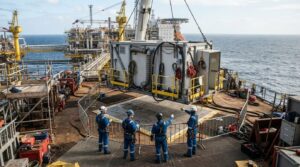
How Relocatable Modular Habitats Support Efficient Turnarounds
Turnaround time is often lost before hot work begins, while crews wait for facilities to be assembled on site. Improving turnaround efficiency with…
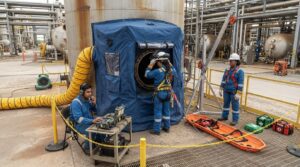
Safety Enclosures for Safer Vessel and Tank Entry
A safety enclosure for vessel and tank entry helps control the work area around an opening and supports air-quality management, communication,…
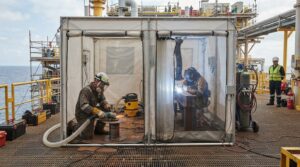
Risk Assessment for Grinding vs. Welding: A Practical Comparison
A grinding job and a welding job may both create sparks, but they do not have the same exposure profile. A useful risk assessment for grinding vs…

Understanding Hazardous Area Classification Drawings and Pressurized Habitat Ratings
What does a pressurized habitat zone rating actually tell you when hot work is planned inside a classified area? The drawing maps the hazard around…
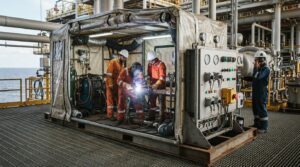
IEC 60079 Pressurized Enclosures: Practical Guide
A certificate can cite the right IEC 60079 standard and still leave the scope of a complete hot-work enclosure unclear. That distinction is central…
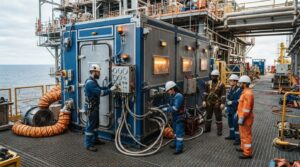
Zone 1 Hot Work Habitat: A 2026 Buying Guide
Choosing a Zone 1 hot work habitat starts with the worksite and the task, not the zone label alone. Before comparing configurations, define the…
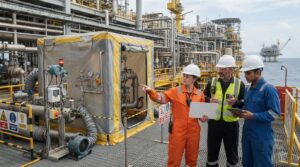
Requesting a PetroHab LNG Habitat Quote: Scope, Options, and Next Steps
What details help shape a useful PetroHab LNG habitat quote? Start with the hot-work scope, conditions at the work area, habitat requirements, and…
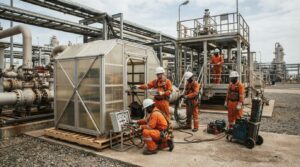
Remote LNG Habitat Logistics: A Safety-First Planning Checklist
A habitat shipment is only one part of the job. At a remote LNG site, access constraints, site readiness, work sequencing, and removal all affect how…

LNG Turnaround Habitat Planning: A Practical Step-by-Step Guide
What if a habitat plan is already out of step before worksite preparation begins? During an LNG turnaround, scope changes, access constraints, and…
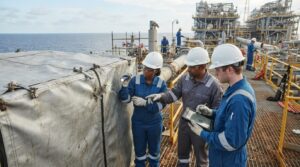
LNG Habitat Panel Inspection: A Practical Field Checklist
A panel’s most important warning sign may be the one a rushed walk-around misses. Holes, tears, frayed material, or attached slag can compromise a…