Archive for March 2026
PetroHab Air Ducting: Ensuring Ventilation Integrity in Pressurized Habitats
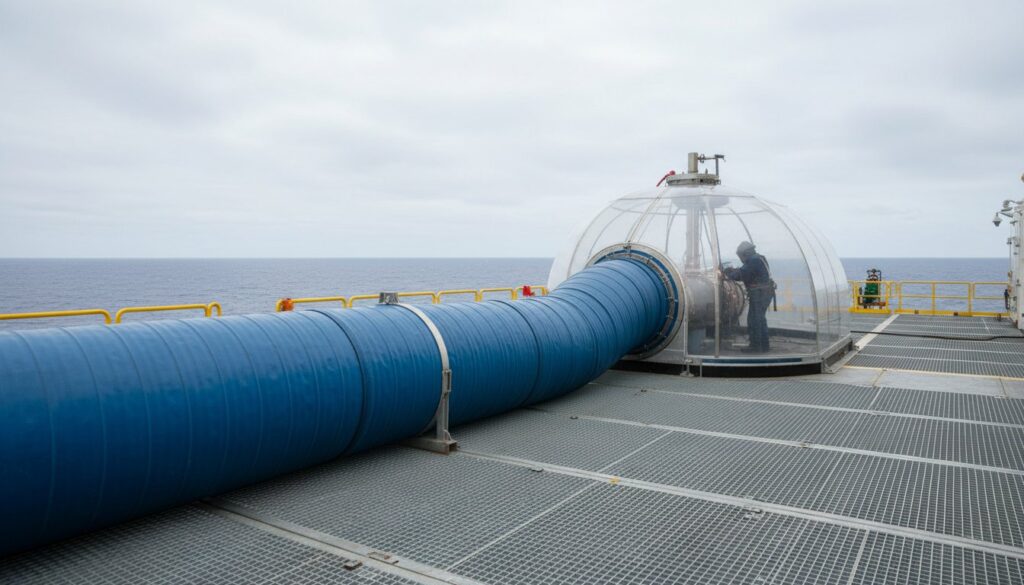
In high-hazard zones, a single millibar of pressure loss is the difference between a controlled environment and a catastrophic ignition event. You…
Read MoreWelding Habitat Rental vs. Purchase: A Strategic Guide for Safety Managers (2026)

The immediate capital savings of a short-term lease often mask a 22% increase in total cost of ownership over a standard three-year project…
Read MoreHot Work Best Practices: A Technical Guide to Safe Operations in Hazardous Zones

In high-hazard energy environments, a single uncontrolled ignition source can escalate into a $100 million catastrophe within 120 seconds. You…
Read MoreRefinery Turnaround Safety: A Technical Guide to Ignition Source Control and Pressurized Isolation

The most dangerous 30 days in a refinery’s lifecycle aren’t during peak production, but during a scheduled outage when 2,500 contractors converge on…
Read MoreATEX vs IECEx: Understanding the Critical Differences for Hot Work Habitats
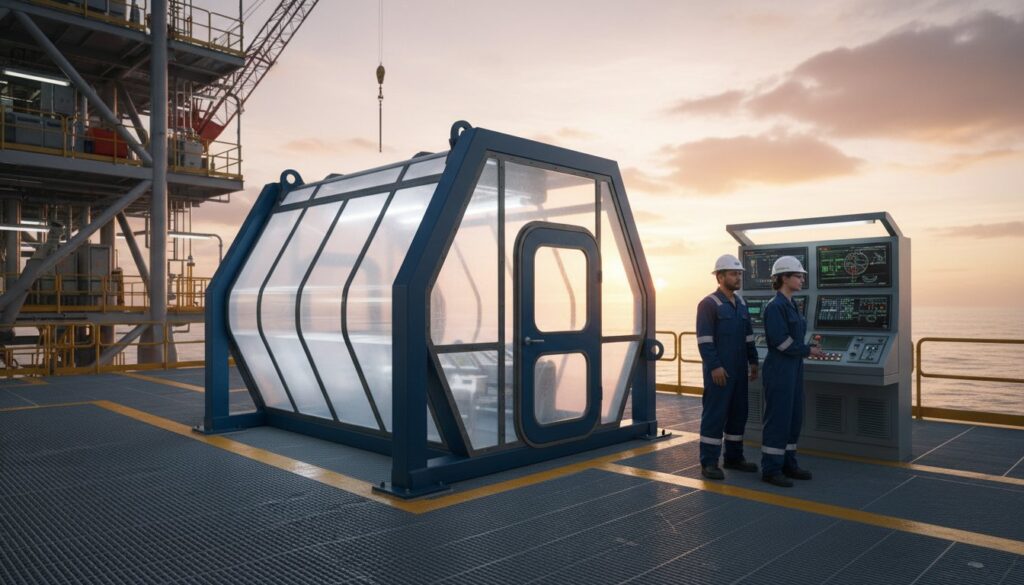
Relying on a single certification to cover global offshore operations is no longer a viable strategy for risk mitigation. A single misinterpretation…
Read MoreHow Positive Pressure Habitats Ensure Worker Safety in Hazardous Zones
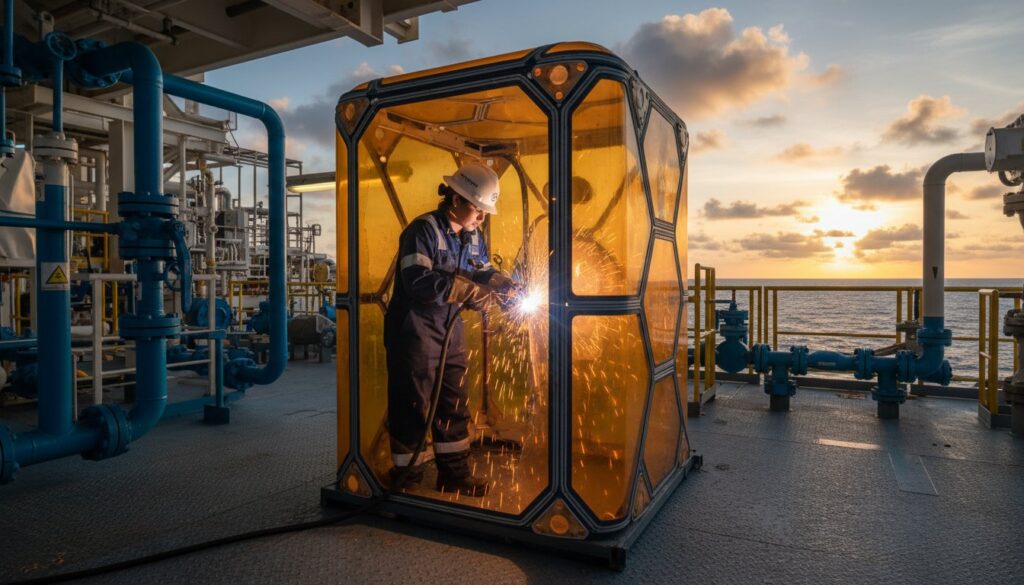
In high-risk hydrocarbon environments, the margin for error isn’t measured in percentages; it’s measured in atmospheric millibars and the absolute…
Read MoreMaintaining Positive Pressure in Hot Work Safety Enclosures: The Definitive Guide
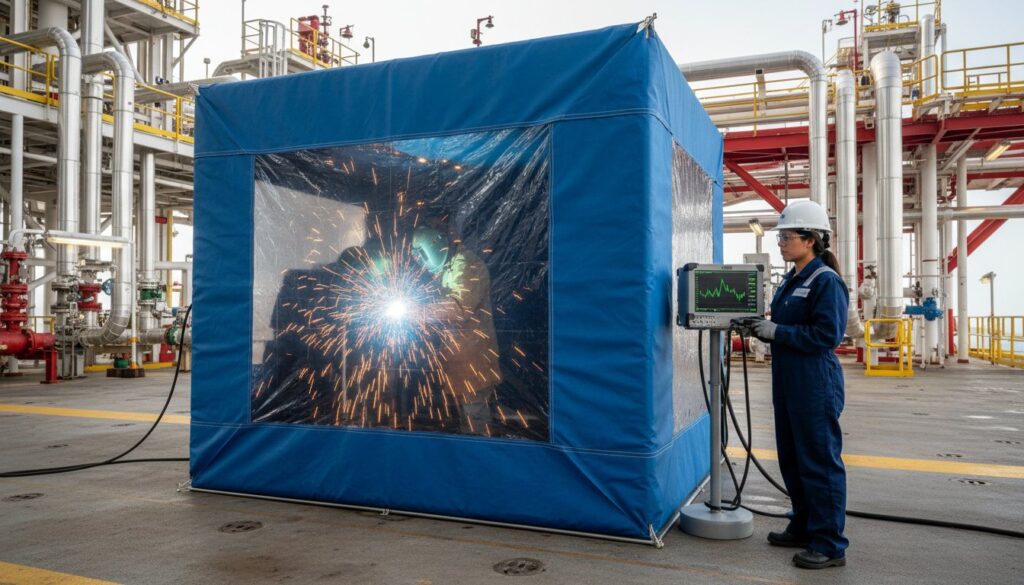
In a Zone 1 hazardous environment, a pressure differential drop of just 50 pascals represents more than a technical failure; it’s a critical breach…
Read MoreThe Definitive Guide to Hot Work Safety Enclosures (HWSE) in 2026

A single ignition event in a Zone 1 environment represents a failure of engineering, not a failure of chance. You recognize that the $500,000 daily…
Read More