
Posts Tagged ‘Hot Work’
Refinery Turnaround Safety: Engineering Risk Mitigation for Hot Work in 2026

If you rely solely on administrative controls to prevent ignition during a shutdown, you’re essentially gambling with a high-value industrial asset….
Read MoreWelding Fire Watch Alternatives: Engineered Safety vs. Manual Monitoring in 2026
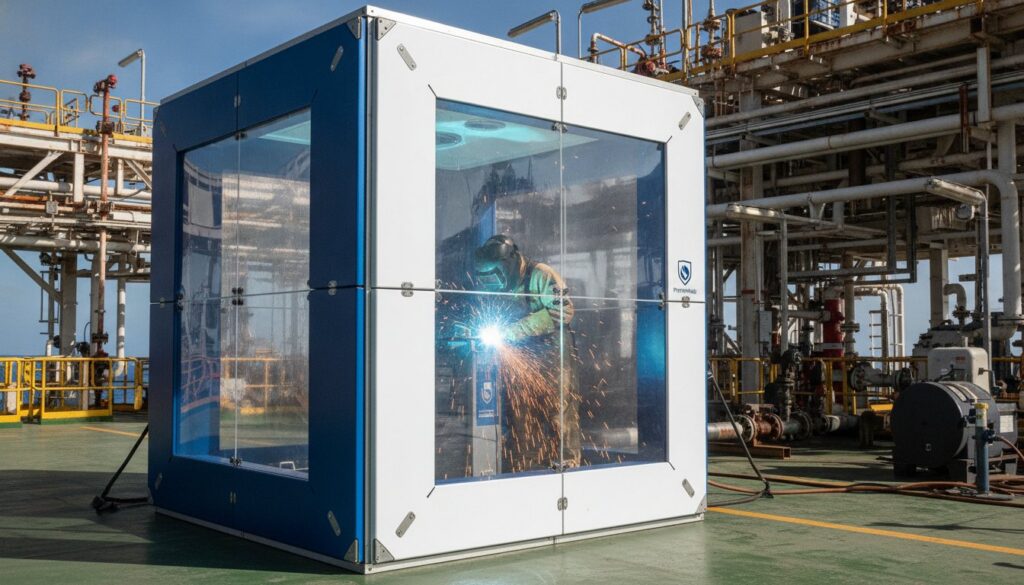
The reliance on human observation to prevent catastrophic ignition events in high-hazard environments is no longer the industry benchmark for…
Read MoreIECEx Requirements for Pressurized Habitats: The 2026 Technical Compliance Guide
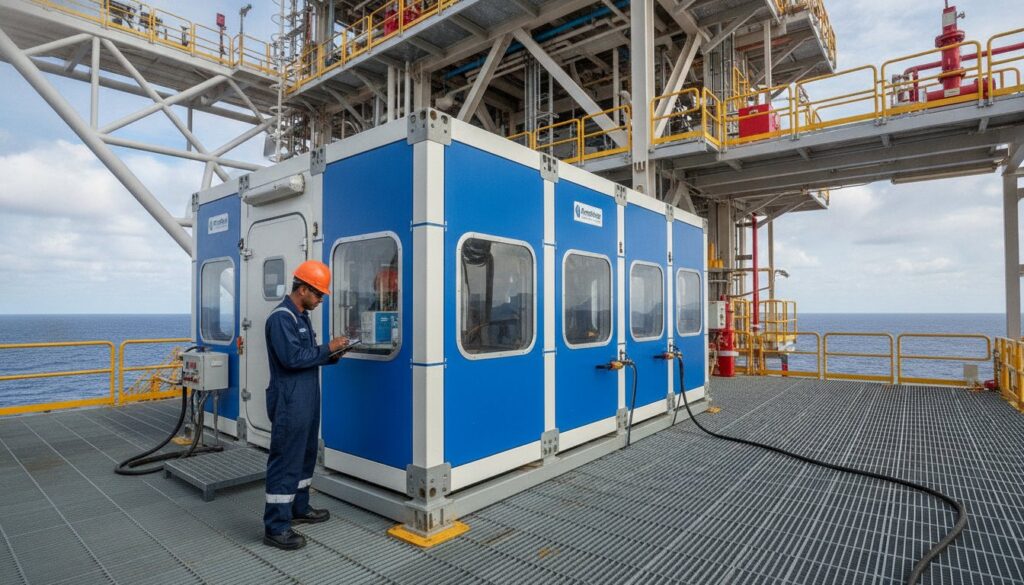
A single day of unplanned production downtime on a Tier 1 offshore platform can result in over $1.5 million in lost revenue. For safety managers and…
Read MoreLong-Term Habitat Leasing Options: A Strategic Guide for Industrial Hot Work
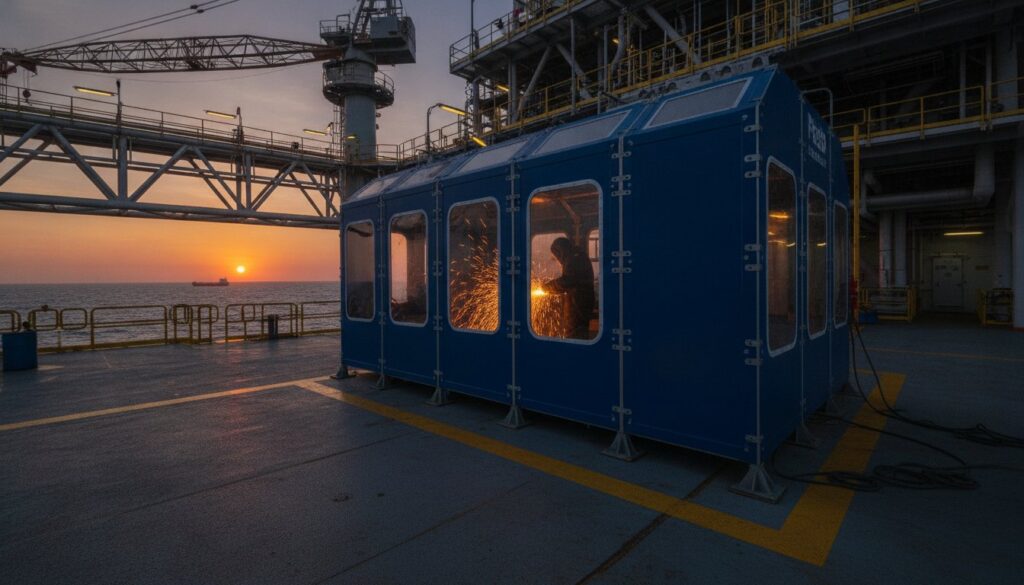
With unplanned downtime in the offshore energy sector costing an average of $416,000 per hour, the financial stakes of hot work safety are absolute….
Read MoreHot Work Enclosure Rental Agreement Terms: A Guide for Safety Managers
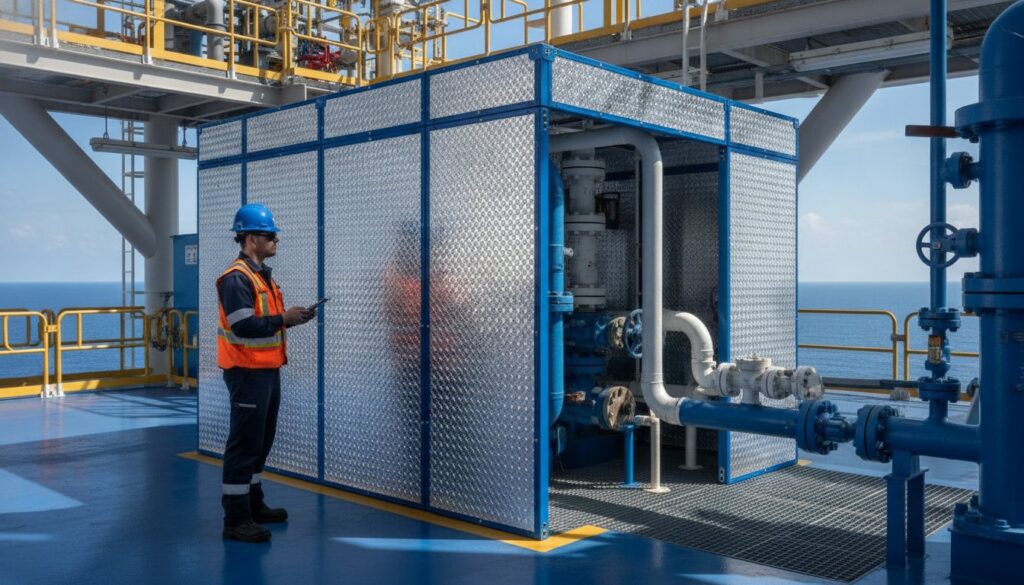
A hot work safety enclosure rental isn’t a standard equipment lease; it’s a high-stakes transfer of operational risk where technical failure leads…
Read MoreOil Rig Fire Prevention Strategies: Advanced Ignition Control in 2026
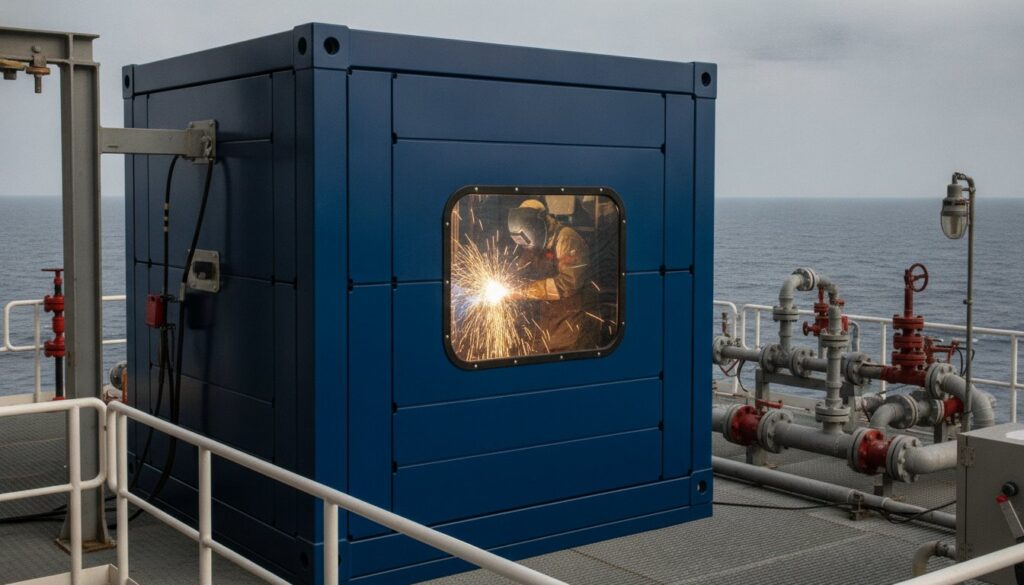
The BSEE reported 182 fires on offshore facilities in 2025, a stark reminder that the margin for error on a platform is non-existent. You’re likely…
Read MoreModular Habitat Design Flexibility: Engineering Safety in Complex Industrial Environments
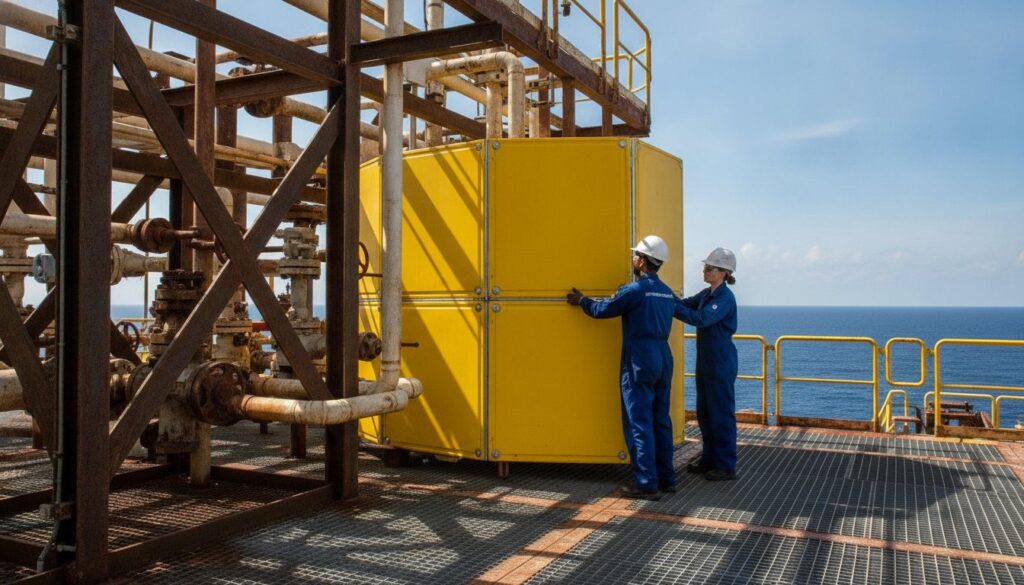
A single day of production shutdown for minor hot work repairs can cost an industrial facility as much as $500,000. You understand that rigid, legacy…
Read MoreClimate Control Options for Welding Habitats: Managing Temperature and Pressure in 2026
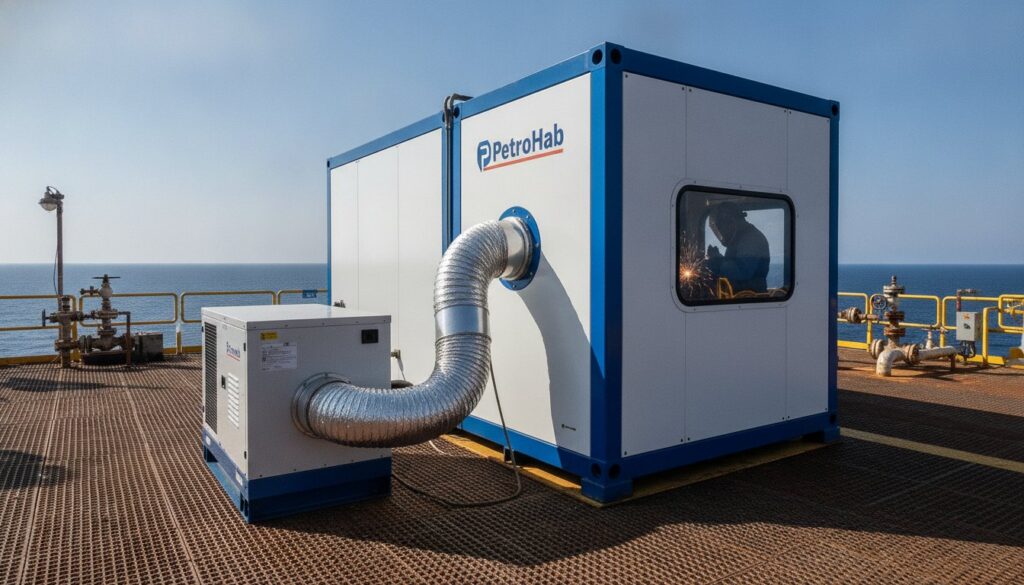
A single day of unplanned production downtime on a Tier 1 offshore platform can result in over $1.5 million in lost revenue, making operational…
Read MoreHot Work Near Sensitive Electronic Equipment: A Technical Guide to Risk Mitigation

Deploying a standard fire blanket to protect a multi-million dollar SCADA system during welding operations isn’t a safety strategy; it’s a calculated…
Read MoreHabitat for Welding on Storage Tanks with Residual Product: The 2026 Engineering Guide
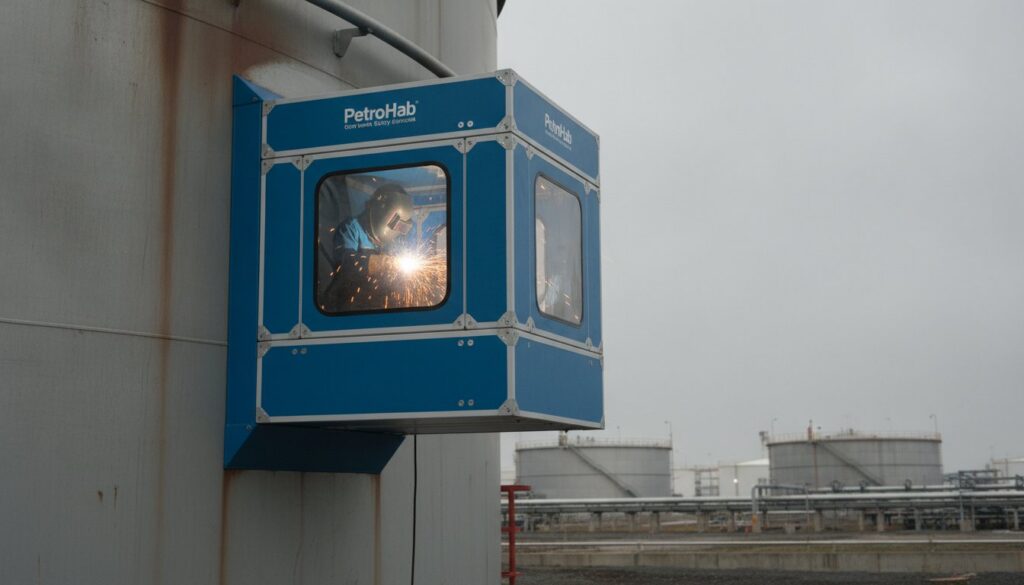
Can your facility justify $1.5 million in lost revenue for a single day of unplanned downtime to perform a routine tank repair? For tier 1 industrial…
Read More