
Blog Posts
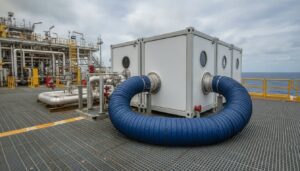
Fire-Resistant Air Ducting: Ensuring Positive Pressure in Hazardous Zones
In a Zone 1 or Zone 2 hazardous environment, the difference between a controlled hot work operation and a catastrophic ignition event often depends…
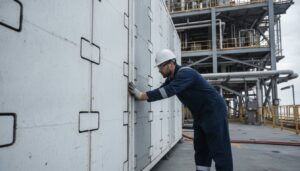
Pressurized Habitat Maintenance Checklist: The 2026 Industrial Safety Guide
85% of industrial safety incidents are traced back to human error during the initial setup or monitoring of safety equipment. Because maintenance is…
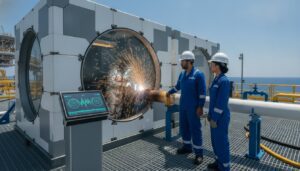
Integrated Gas Detection for Welding Habitats: 2026 Guide
Hot work activities, including welding and grinding, are responsible for approximately 34% of construction-related fires. In the volatile…
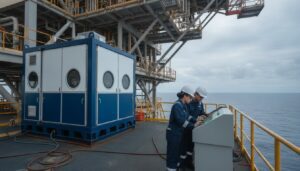
Hazardous Gas Monitoring Systems: The 2026 Industrial Safety Guide
The International Maritime Organization’s Resolution MSC.581(110) now requires portable gas detectors to monitor at least five gases for enclosed…
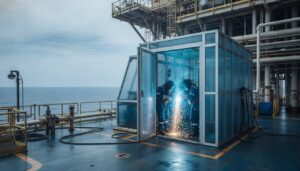
Hot Work Safety: Engineering & Operational Guide 2026
Industrial fires at manufacturing facilities result in nearly $1.5 billion in direct property damage annually. This data underscores the inherent…
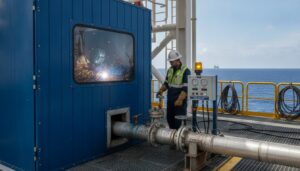
Hot Work Safety Enclosure Guide for Hazardous Zones
A single day of production shutdown for minor repairs can cost an offshore platform or refinery as much as $500,000. You recognize that halting…
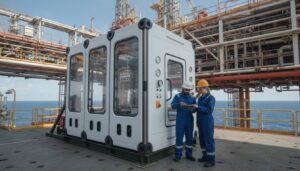
Understanding Pressurized Welding Habitat Cost: A 2026 Financial & Operational Guide
A single day of unplanned production downtime on a Tier 1 offshore platform can result in over $1.5 million in lost revenue. This staggering figure…
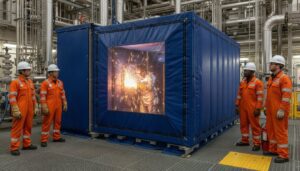
Fire Watch Requirements for Industrial Hot Work (2026)
Could a single 30-minute oversight cost your facility over $161,000 in regulatory fines and millions in lost production? In 2026, the margin for…
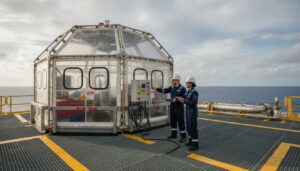
ATEX vs IECEx: A 2026 Comparison for Hot Work Safety Enclosures
Can your current hot work safety enclosure withstand a rigorous 2026 compliance audit in both the North Sea and the South China Sea? The distinction…
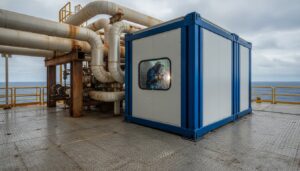
Pressurized Enclosures for Hazardous Areas: 2026 Guide
In high-consequence hydrocarbon environments, the decision to halt production for maintenance often feels like a forced choice between fiscal…